Financial Intelligence Enterprise Platform
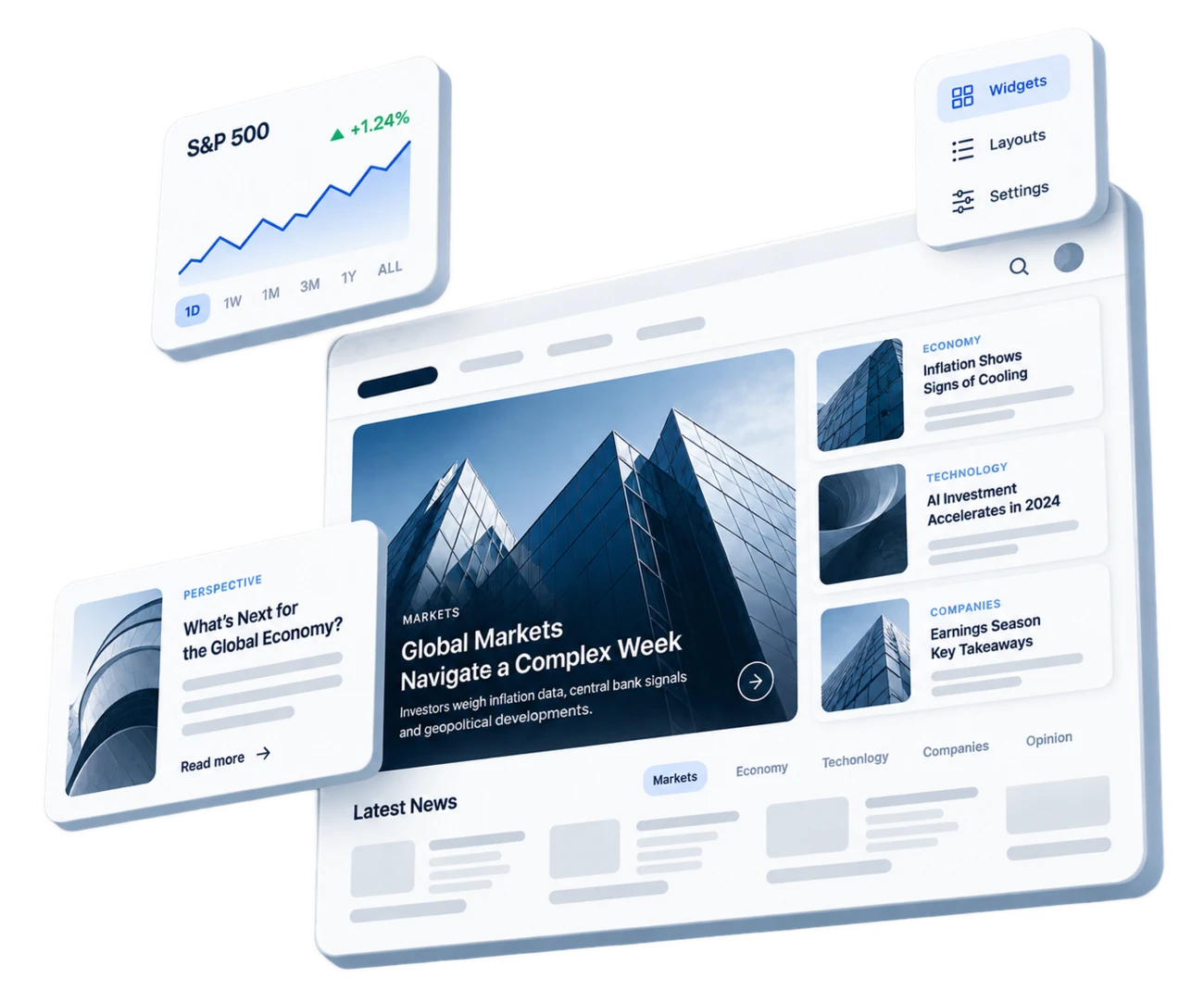
I designed a responsive news experience that brought relevant financial content into a complex, widget-based investment platform without competing with its core workflows.
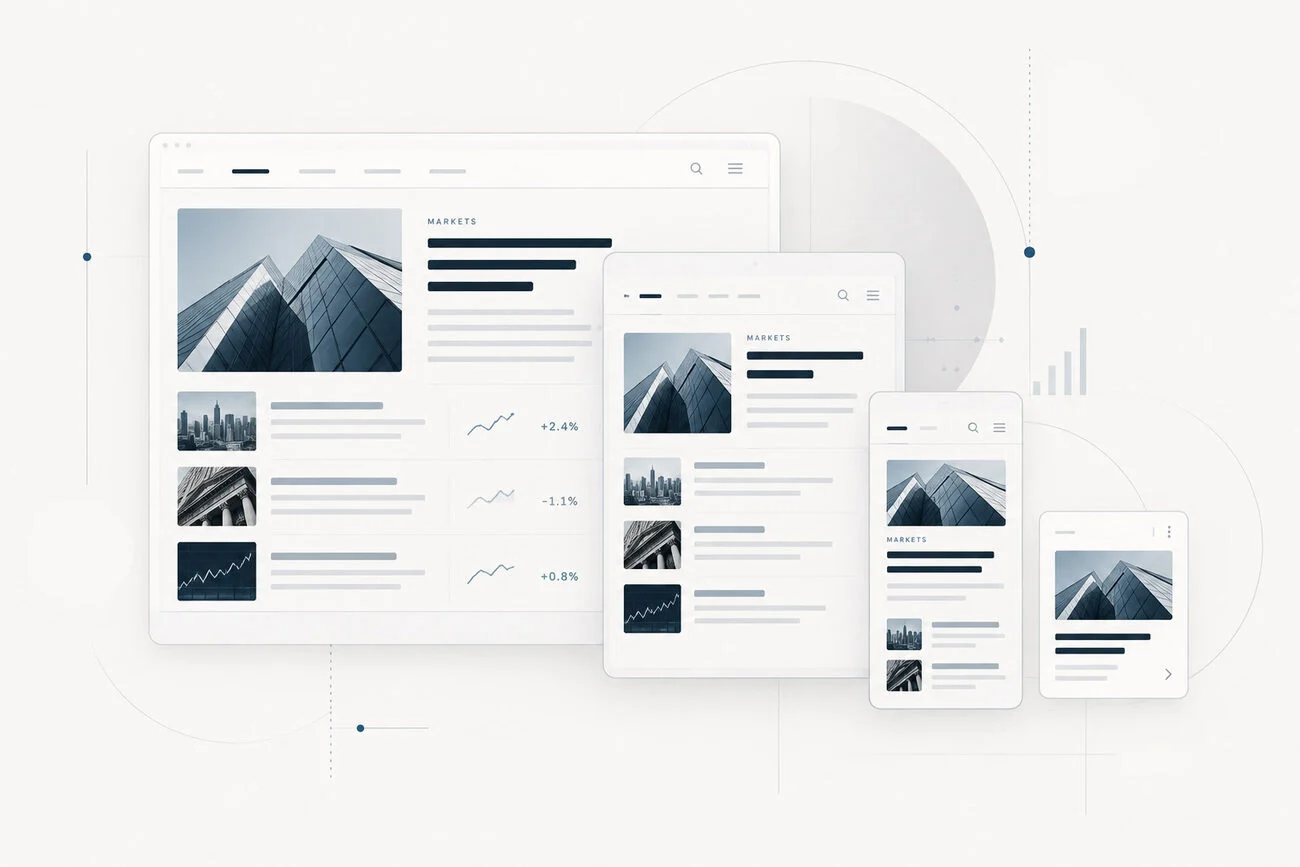
The context
Product Design Lead
I translated an established UX direction into a responsive product experience, owning UI, interaction patterns, prototyping, and component design while collaborating closely with the UX Architect, engineering, and product teams.
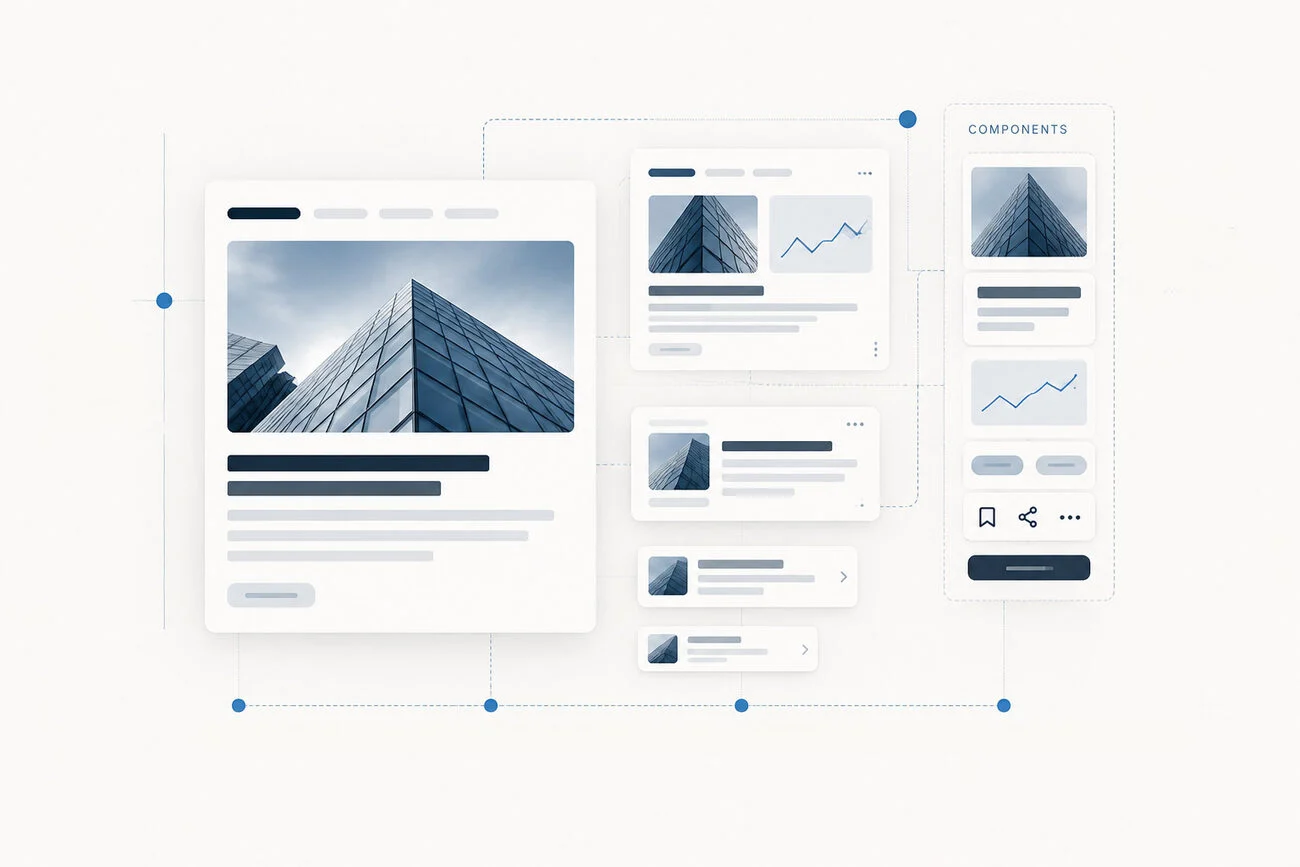
Information Density
Financial news had to remain useful inside a customizable workspace where available space could change dramatically. The challenge was preserving context and readability without competing with the platform's core financial tools.
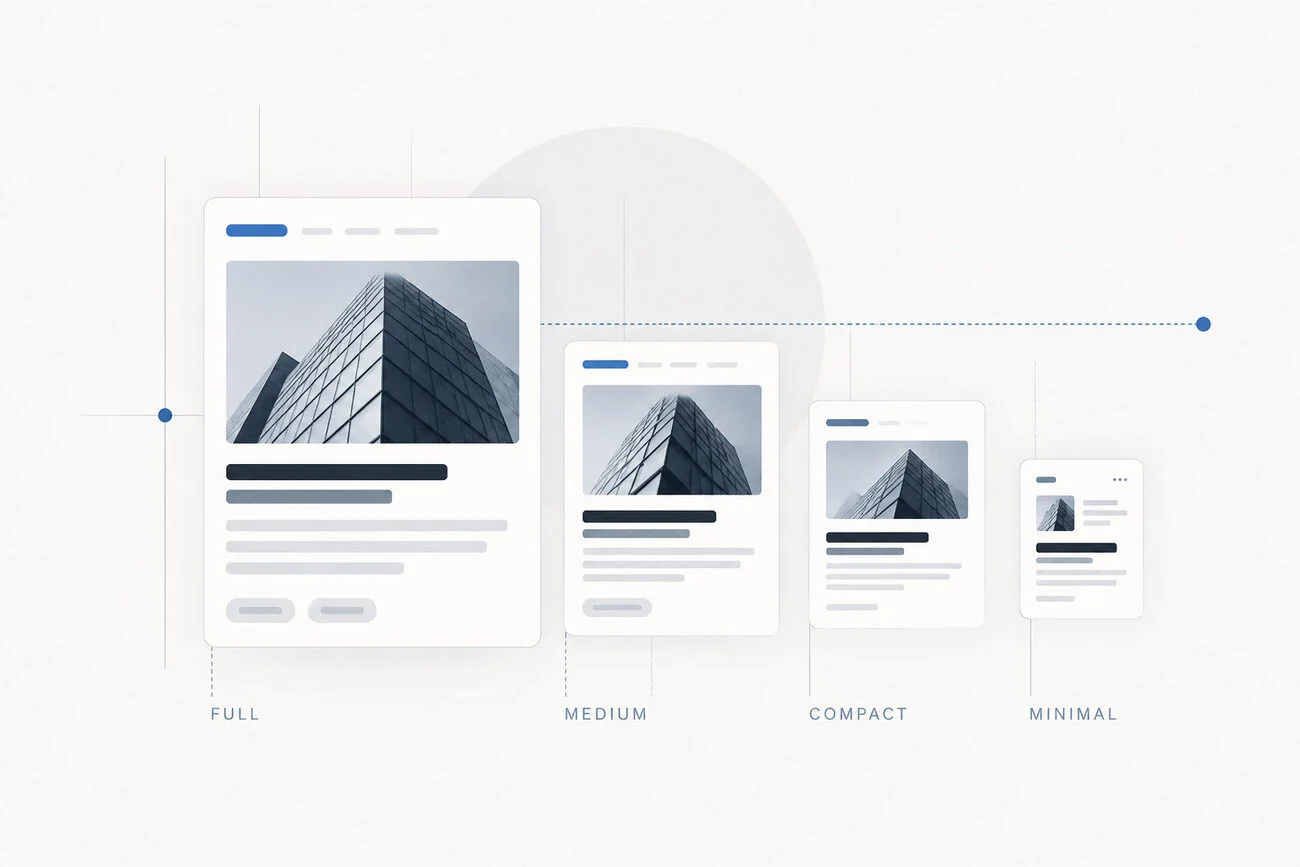
Adaptive Editorial
Rather than designing one fixed layout, I created a flexible component approach where imagery, metadata, navigation, and controls could adapt or simplify according to the available space.
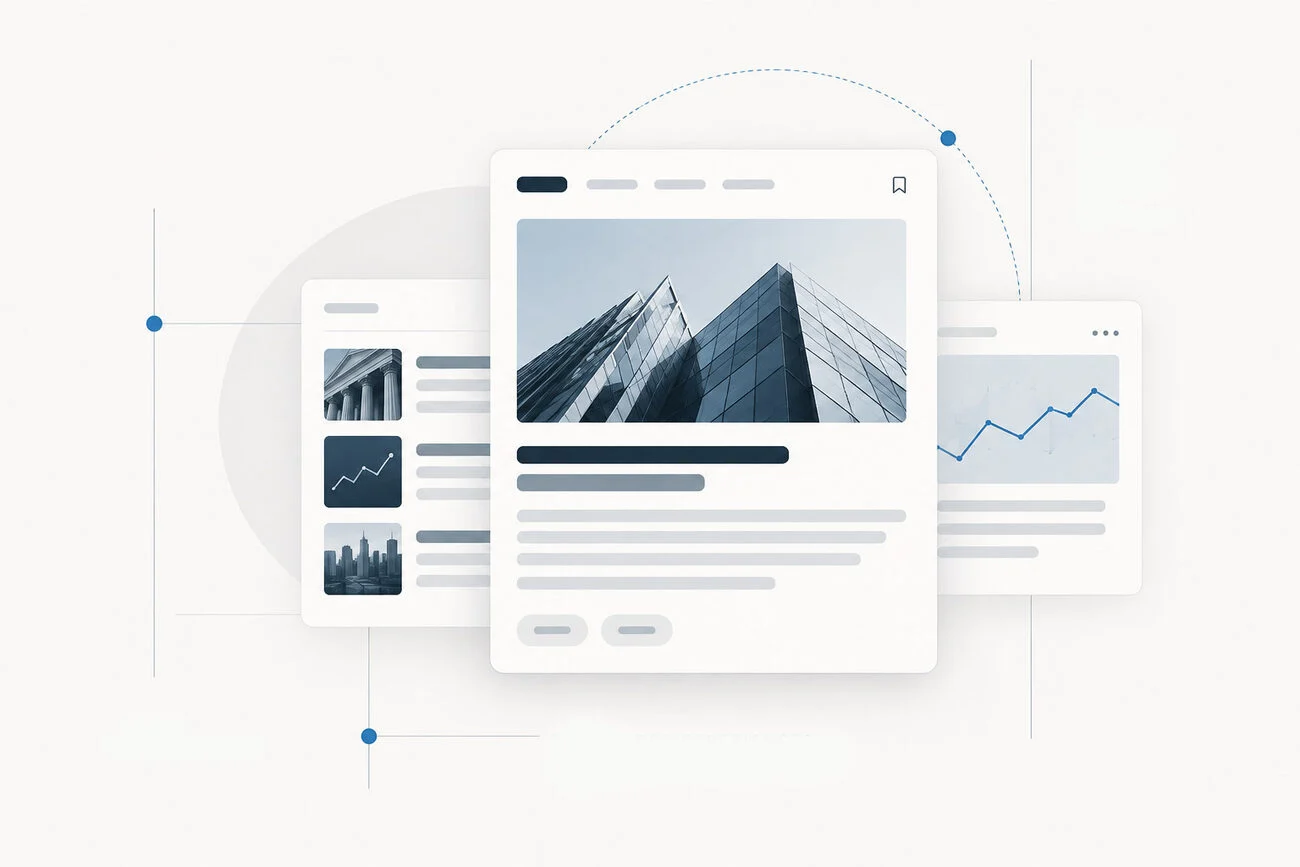

The Reading Problem
- The reading problem
- In a data-heavy workspace, large chunks of editorial text are disruptive. We needed to bridge the gap between deep reading and quick data scanning.
- The collapsing header
- We designed a header that gracefully transitions from an editorial masthead to a thin navigation strip as the user scrolls, keeping data in view.
- Prototyping as communication
- Static mocks failed to explain the motion logic. High-fidelity prototypes became our primary language for engineering handoff.
- From disagreement to alignment
- The prototype turned an abstract debate into something stakeholders could experience, helping us align on when editorial richness should give way to product usability.
- Designing inside a system
- Every interaction was built into the global design library, ensuring that the collapsing logic could be applied to any module across the platform.
- Collaboration
- The technical success relied on a tight loop between design and engineering to ensure the motion felt fluid even while real-time data continued to stream in.
Outcome
The Financial News Module successfully minimized context switching for traders and analysts, integrating editorial content into the heart of the research experience. By moving away from static layouts to a responsive, context-aware system, the platform enabled users to maintain focus on market data while staying informed.
Workflow Efficiency
Reduced the need for external news sources, keeping users within the platform's ecosystem.
Scalable Systems
Created a robust library of components that can be applied to other data-driven modules.
Future-Proofing
Built a flexible architecture that supports real-time updates and varying information density.
The design strategy ensured that critical market intelligence never competed with analytical tasks, but rather enhanced them.
Reflection
Designing for high-stakes financial environments requires a deep understanding of user focus and the hierarchy of information. This project reinforced the importance of technical feasibility early in the design process — working alongside engineers allowed us to balance rich editorial features with the strict performance requirements of a real-time workspace.
The result is a system that feels both professional and effortless, proving that even the most information-dense environments can be intuitive and user-centered.